Oilfield Chemicals
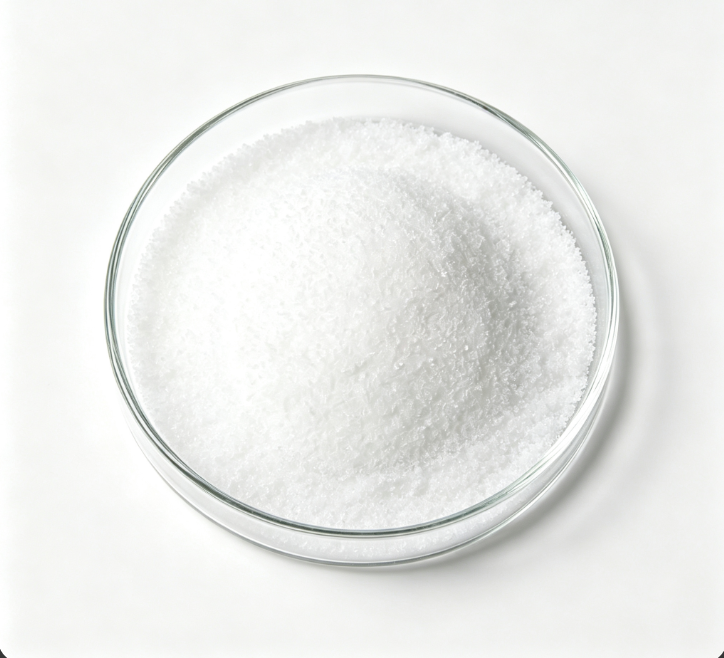
Polyacrylamide (PAM)
Polyacrylamide (PAM) is a water-soluble high-molecular polymer produced by homopolymerization or copolymerization of acrylamide monomers, and it ranks among the
Product Features
- Polyacrylamide (PAM) is a water-soluble high-molecular polymer produced by homopolymerization or copolymerization of acrylamide monomers, and it ranks among the most widely used water-soluble macromolecules worldwide. Classified by ionic property, it is divided into four grades: nonionic, anionic, cationic and amphoteric polyacrylamide, with molecular weights ranging from 9 million to 35 million.
Applications
- Widely used in enhanced oil recovery (EOR) to boost crude oil output, as well as oilfield operations including drilling, well completion, cementing and fracturing. It features functions of viscosity boosting, fluid loss control, rheology regulation and gelling.
- Applied in municipal wastewater treatment without secondary pollution.
- Used in papermaking industry with excellent retention aid performance.
- Suitable for biomedicine, mineral processing and other industries.
Overview
Polyacrylamide (PAM) is a water-soluble high-molecular polymer produced by homopolymerization or copolymerization of acrylamide monomers, and it ranks among the most widely used water-soluble macromolecules worldwide. Classified by ionic property, it is divided into four grades: nonionic, anionic, cationic and amphoteric polyacrylamide, with molecular weights ranging from 9 million to 35 million.